Commercial Proposal

Organic Peat Suspension Concentrate

Alx Space Trading FZE

Product Overview

Organic Peat Suspension is a concentrated organic product made from natural peat and humic substances. It is specially developed for UAE climate and sandy soils across the GCC region.

  • 100% organic base
  • Optimised for desert climate
  • Improves soil water retention
  • Reduces mineral fertilizer use up to 50%
  • Compatible with drip irrigation systems
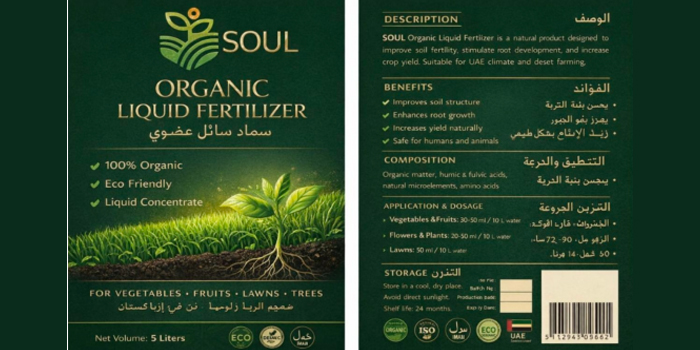
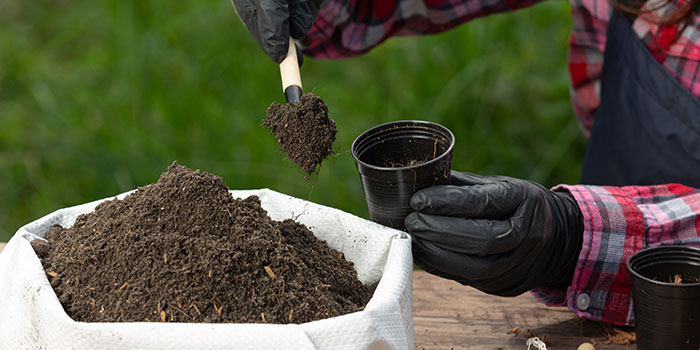
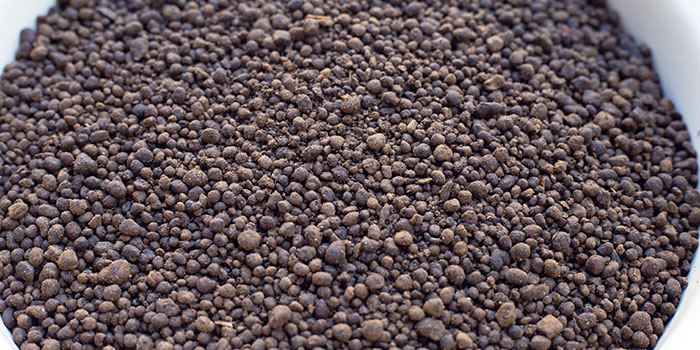
Organic peat suspension product
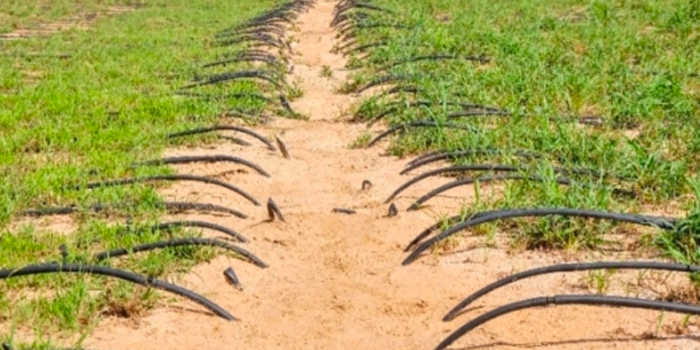
Drip irrigation application

Designed for modern irrigation systems

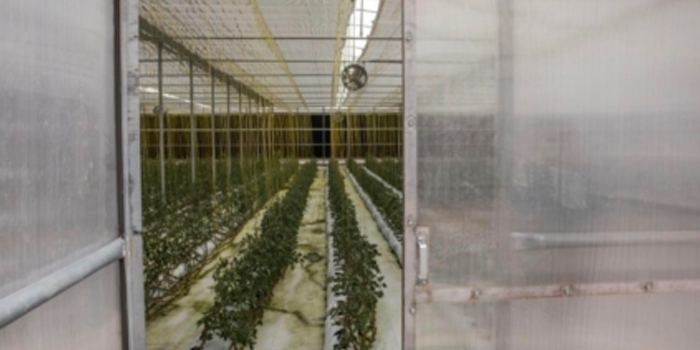
The product is fully suitable for fertigation and drip irrigation in open fields and greenhouse operations.

Technical Parameters

Product type: Peat suspension

Parameter Test Method Result
Moisture, % State Standard 26713-85 82.4
Dry residue, % State Standard 26713-85 17.6
pH State Standard 11623-89 6.44
Total nitrogen, % State Standard 26715-85 2.17
Total phosphorus, % State Standard 26717-85 4.52
Total potassium, % State Standard 26718-85 2.90
Humic acids, g/L State Standard 9517-94 0.43
Ash content, % State Standard 26714-85 37.6
Organic matter, % State Standard 27980-88 62.4

Product Video

Increases Soil Water Retention by up to 50%

This video demonstrates how Organic Peat Suspension improves soil structure and increases water-holding capacity in sandy and desert soils. By improving moisture retention around the root zone, crops receive more stable hydration and experience less water stress.

The result is improved root development, better nutrient uptake, reduced irrigation frequency, and more efficient water use under UAE climate conditions.

Pricing and Dosage

Price

AED 63 per kg

Application rate

1.3 litres per hectare

Dilution

1 : 5


Cost per hectare (one cycle):
1.3 L × AED 70 = AED 91

THIS PRICE IS FOR ILLUSTRATIVE PURPOSE ONLY

Economic Model (UAE Conditions)

  • Average NPK fertilizer cost: AED 3,000 / ha
  • Expected reduction: 50%
  • Saving on mineral fertilizers: AED 1,500
  • Cost of peat suspension: AED 91
Total cost: AED 1,591
Net savings per hectare: AED 1,409
Greenhouse farming

Sector Applica;ons

Vegetable crops

Landscaping & Municipal Applications

Landscaping and parks

Supply Options

1 kg
5 kg
20 kg
IBC 1000 L
20-ton container supply

Strategic Positioning

We do not sell only fertilizer. We provide:
  • Cost-reduction technologies
  • Soil regeneration solutions
  • Water-saving organic boosters
  • Sustainable soil improvement systems
Humic Acids in Agriculture

Enhancing Soil Health and Crop Productivity

Introduction to Humic Substances

Humic substances are natural organic compounds formed from the decomposition of plant and animal residues.

Found in soil, peat, coal (especially Leonardite), and compost.

Three main fractions:

  • Humic Acid
  • Fulvic Acid
  • Humins
Key Point: Humic acid is the most agriculturally important fraction.

What is Humic Acid?

  • Dark brown to black organic substance
  • Soluble in alkaline solutions
  • High molecular weight
  • Rich in carboxyl (-COOH) and phenolic (-OH) groups
Function: Improves soil fertility physically, chemically, and biologically.

Sources of Humic Acid

  • Leonardite (oxidized lignite)
  • Peat deposits
  • Compost
  • Vermicompost
  • Organic soil matter
Commercial products are often extracted from Leonardite due to high humic content.

Role in Soil – Physical Benefits

  • Improves soil structure
  • Increases water retention
  • Enhances soil aeration
  • Reduces soil compaction
  • Improves root penetration
Result: Better root development and drought tolerance

Role in Soil – Chemical Benefits

  • Increases Cation Exchange Capacity (CEC)
  • Chelates micronutrients (Fe, Zn, Mn, Cu)
  • Reduces nutrient leaching
  • Improves fertilizer efficiency
  • Buffers soil pH
Impact: Better nutrient availability for crops

Biological Benefits

  • Stimulates microbial activity
  • Enhances beneficial bacteria and fungi
  • Increases enzymatic activity in soil
  • Improves nutrient mineralization
Healthy soil microbiology = Higher crop productivity

Effect on Plant Growth

  • Stimulates root elongation
  • Stimulates root elongation
  • Increases chlorophyll production
  • Improves nutrient uptake
  • Boosts stress resistance (drought, salinity)
Acts as a natural growth promoter

Methods of Application

  • Soil application (granular or liquid)
  • Fertigation systems
  • Foliar spray
  • Seed treatment
Application rates depend on crop type and soil condition.

Benefits to Farmers

  • Increased crop yield
  • Improved fertilizer use efficiency
  • Reduced input costs
  • Better soil health long-term
  • Environmentally friendly

Crops Commonly Using Humic Acid

  • Cereals (wheat, maize, rice)
  • Vegetables
  • Fruits
  • Oilseeds
  • Turf & horticulture crops
Used in both conventional and organic farming systems.

Economic & Environmental Impact

  • Reduces chemical fertilizer dependency
  • Enhances sustainable agriculture
  • Improves carbon sequestration in soil
  • Supports regenerative farming practices

Limitations

  • Not a fertilizer (low direct nutrient content)
  • Effect depends on soil organic matter level
  • Quality varies by source

Conclusion

Humic acid is a powerful soil conditioner that:
  • Enhances soil structure
  • Improves nutrient efficiency
  • Stimulates plant growth
  • Supports sustainable agriculture
Healthy Soil = Healthy Crops = Higher Profit